

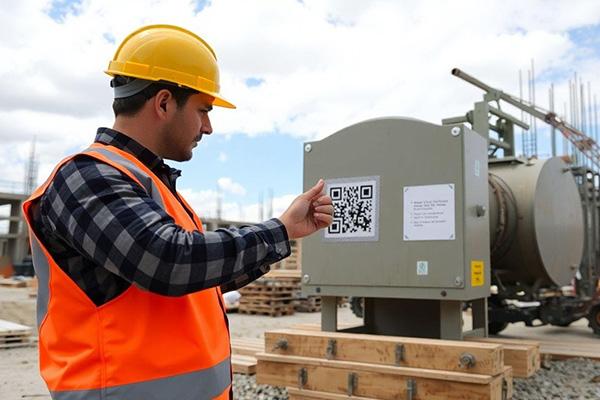
Optimizing Trucks & Heavy Machinery Operations with Dynamic QR Code Technology
In the logistics, transportation, and construction industries, efficiency, safety, and real-time information access are critical. QR code technology provides a powerful and cost-effective solution to streamline operations for trucks and heavy machinery while improving communication and data management.
By placing QR codes on trucks and equipment, operators, technicians, and managers can instantly access essential information such as maintenance records, inspection reports, user manuals, and safety guidelines. A simple scan using a smartphone enables fast and accurate data retrieval, reducing downtime and human error.
Dynamic QR codes allow fleet managers to update content in real time without needing to replace physical labels. This is especially valuable for maintenance tracking, as service histories, upcoming inspections, and repair logs can be continuously updated and accessed by authorized personnel.
For construction sites and industrial environments, QR codes significantly enhance safety compliance. Workers can scan codes attached to machinery to instantly view operating instructions, safety protocols, training videos, and hazard warnings. This ensures that all users have up-to-date information, reducing the risk of accidents.
In fleet and logistics management, QR codes can be used for vehicle identification, cargo tracking, driver logs, and route documentation. Integration with digital systems allows companies to monitor usage, optimize workflows, and improve overall operational efficiency.
Additionally, QR codes can support multilingual access, making it easier for international teams to understand equipment usage and safety instructions. They also provide valuable analytics, helping businesses track interactions, monitor usage patterns, and make data-driven decisions.
In conclusion, QR code solutions for trucks and heavy machinery offer a modern approach to managing complex operations. They enhance safety, improve efficiency, and enable smarter asset management, making them an essential tool for the future of industrial and logistics sectors.